
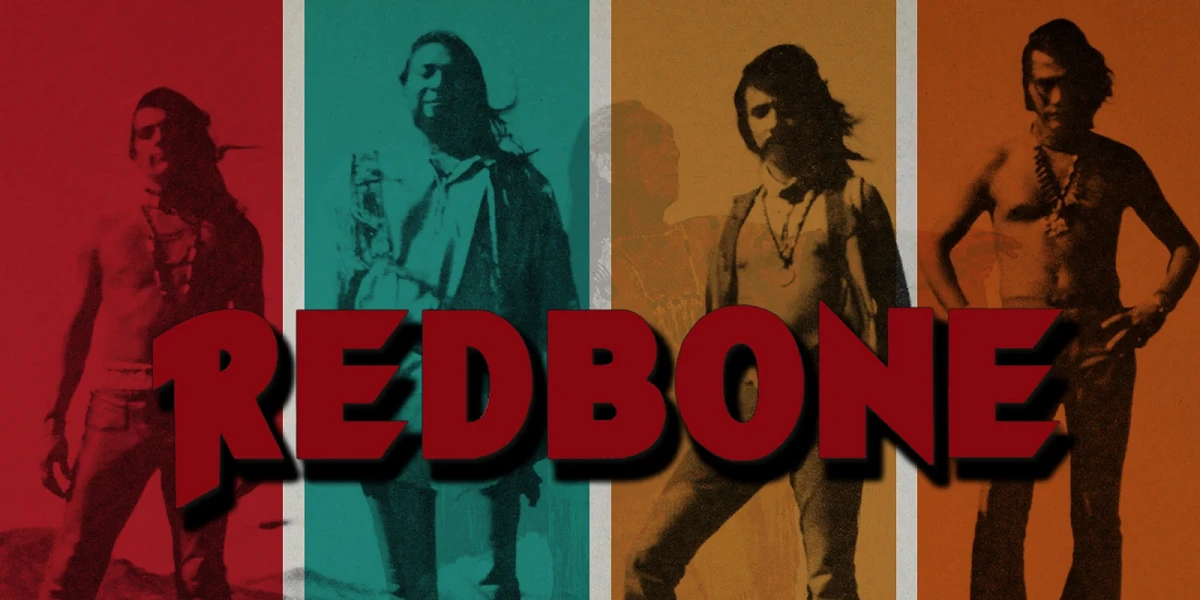
From Redbone's ritual rhythm to Yoko Ono's ego: an analysis of essence, privilege, and the responsibility of design in the age of empty consumption. Are we designing bridges or monologues? Discover why at Núcleo Studio we bet on soul, not on varnish.
Authenticity in a brand isn't designed — it's discovered. Redbone, the Native American rock band that recorded "Come and Get Your Love," and Yoko Ono, the most misunderstood conceptual artist of the 20th century, teach us the same lesson: the works that survive decades are the ones born from a real identity, not from an image calculated for the market. This is the most honest application of that principle to B2B branding.
There are works that endure. Not because they're technically perfect, but because they contain something true. Something time can't erode because it wasn't built for the moment — it was built from within.
Redbone recorded "Come and Get Your Love" in 1974. Five decades later, the song still appears in films, series, and playlists of people who weren't born when it was recorded. Not because it's a calculated hit, but because it's genuine.
What Redbone Teaches Us About Brand Identity
Redbone was a band of Native American musicians in an industry dominated by white men who expected you to sound a certain way to be commercially viable. They chose not to. They kept their cultural identity — their roots, their sound, their history — and that is exactly what makes them memorable.
The lesson for B2B branding is direct: companies that try to sound like what the market expects end up indistinguishable. The ones with the courage to communicate what they really are — with their particularities, their specific strengths, their genuine perspective — are the ones the market remembers.
Yoko Ono and the Art of Not Asking Permission
Yoko Ono spent decades being ridiculed, ignored, and blamed for things she didn't do. She kept creating from her perspective with a consistency that, in hindsight, is admirable. Her work wasn't for everyone — and that wasn't the goal.
In B2B branding, wanting to be for everyone is the fastest way to be for no one. As we explore in our analysis of Technical Honesty, clarity about who you are for and who you are not for is one of the strongest signals of authority a company can project.
Ego vs. Purpose
There's an important difference between a brand built from ego and one built from purpose. Ego wants to impress. Purpose wants to serve. The first generates superficial admiration. The second generates lasting trust.
As we analyze in our post on purpose-driven branding, the B2B companies that win in the long run are the ones that have found the intersection between what they do best and what their market needs — and they communicate it without artifice.
The Responsibility of Design
Designing a company's identity is an act of responsibility. You're helping define how that company will be perceived, which clients it will attract, and which conversations it will have. Doing it from authenticity — from what the company really is — is the only way to build something that works in the long run.
At Núcleo Studio, that's the principle that guides every branding project we take on in Guadalajara. We don't design to make you look good. We design to make you recognizable.
If you want to explore what's authentic about your company and how to turn it into your greatest competitive advantage, message me directly.
Conversation